Showing posts with label Tips. Show all posts

Thursday, February 21, 2013

Why you need character biographies

Whether you're writing fiction or non-fiction a character biography will help you remain focused on who it is you are moving through the book. Before I started putting my story into text I sat down and wrote several character biographies. You can see them at my website.

I'm a fiction writer so that is what I'll be focusing on. For non-fiction my guess is it can be very simple -- "A 42 year old working mother who doesn't mind cooking but hates grocery shopping." or "A 35 year old marketing manager with a bachelors degree and designs on the corner office." It's not a target market as much as it is a consistent frame of reference.

For fiction you have to create the depth. You want to bring a character to life. Readers should be able to identify with your character and feel like they can actually picture them. What better way to do that for yourself then to write down a character biography?

I know the pantsers out there will tell you they don't know what their character is like yet or that they don't do well with structure. Others will say that they have their character all mapped out in their head. The exercise of writing down details of a character helps you sort things out before you get into the weeds of your story. Does your character have siblings or are they an only child? Has your character ever broken a limb? What color hair and eyes do they have. Where are they from, have they ever moved? Much like a regular person the details are endless. It can be fun to get started and see where it leads.

In addition to being fun and sorting out details the character biography can also help break writers block. If you get stuck and don't know where to go next try the character bio. Maybe you'll find a mistake or something you forgot about the character. Maybe you need to add something juicy that you came up with while writing. Before you know it the character is all up in your head and there are a hundred different things you need to do with your story.

Also, lets face it, sometimes we have to take breaks from writing. If you have to go away from your story for a while then the character biography can help you get back into it later. Reading your notes can help you remember the plot and story arc. Reading what you have written can remind you of where you are in the story. The character biography can help you to remember who it  is you are taking on the journey.

So where do you stand? Have you written character biographies or do you completely pants it?

Monday, February 18, 2013

How to tweet all day

When I first started using Twitter one of the things that really mystified me was how certain people were able to tweet all day long. It didn't matter if I was checking on twitter from my laptop in the morning or if I was taking a peek on my phone while I was out to dinner with friends. The same people kept sharing content 24/7.

My first reaction was jealousy. I wished that I had the kind of job that let me surf the interwebs and tweet things out all day long. Next came confusion. Many of these people were really successful. They write books, blog, consult with clients, give interviews and so much more. How did they find the time to tweet all day when they were clearly doing other things?

For a while I blamed my phone. It's old, the screen is too small and the performance is terrible. I resolved that I needed a better tool if I was going to be tweeting all day. So I checked my mobile account to see up getting a new phone. Let's just say that the price for upgrading to a new iPhone or Galaxy III out of cycle was not in the budget. But the exercise got me to thinking about tools. These people have to use a tool to tweet all day.

So I did a little research and found Buffer. Not only does it work for Twitter, but it works for Facebook and LinkedIn too. Buffer lets you put tweets into a queue and will send them out at predefined times through the day. So if you find four or five interesting pieces of content while you are surfing you can use buffer to share them with your followers but spread them out over the course of the day.

Buffer even sends you an email when the queue is getting low and tells you to add content. This makes it kind of like a game for me. I want to make sure my Buffer is full almost all the time. It's also nice because you can still tweet out regularly. This means that if I snap a cool picture with my phone and want to share it right away I can do that.

So if you want to tweet all day but only have fifteen or thirty minutes to surf for content, checkout Buffer. You can be tweeting and sharing all day long in no time.

Friday, February 15, 2013

Two tips for beginning writers

If you want to be a writer you have to write every day. Easier said than done. Chances are you have a job, or family or both. There are a bunch of other things that you have to do and your desire to write goes unfulfilled. So how do you go about cultivating a writing habit?

I'm not published, yet. But I am a writer. I have written over 150,000 words in two novels and a novella. I write every day and I have for the last five months. Last year there were several months when I did not write every day. I thought about it and wanted to write every day but just couldn't find the time. Then in September I started using two simple tools that helped me cultivate a writing habit that I am proud of.

Here are my two best tips for cultivating a new writing habit.

 1. Use your calendar. If  you really want to write schedule the time in your calendar. Ideally you would be able to find an hour every day but for the begginer that might be tough. Even if you wind up scheduling and hour 3-5 times per week it will help develop the new habit. The time blocked for writing needs to be just as important as the time you block for going to the gym, grocery shopping, meeting friends for drinks and any other "must do" items.

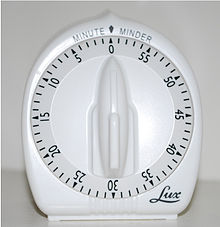
 2. Set a timer. When I first started wtiting every day I set a timer for 30 minutes. It allowed me to write and focus completely on the story and getting the words on the page. I never had to worry about missing the next appointment or taking time from the other things I had to do that day. I still use the timer but the length varies from thirty minutes to sixty minutes. Every single time the timer goes off I wish I had more time. It makes me want to come back tomorrow and not miss a minute.

That should do it. If you follow these two tips for a week or two the writing habit will become fully established. Once you've developed the writing habit you can start to look at improving your writing.

Are you going to establish a new writing habit?